

Episode 163
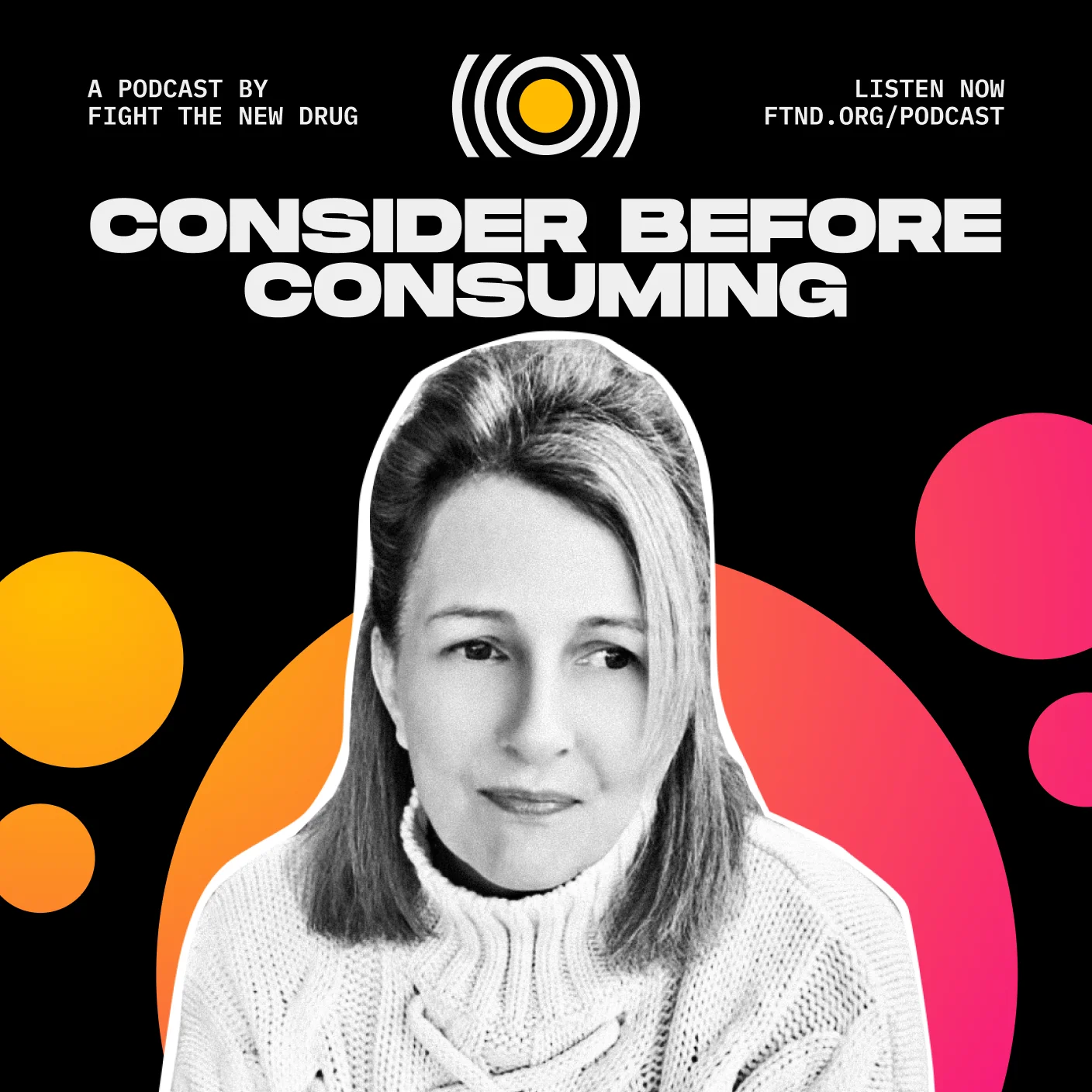
I Was Losing My Memory and Didn’t Know Why
Available wherever you get your podcasts
This episode includes discussion of sexual abuse and trauma. Listener discretion is advised.
Amanda Stanhope was recently featured in reporting by CNN on drug-facilitated sexual abuse, where she shared her personal story—part of a broader conversation gaining attention after survivors like Gisèle Pelicot helped bring this issue into the spotlight.
What began as an intense relationship quickly shifted. Amanda started experiencing memory loss, confusion, and physical symptoms she couldn’t explain, at one point believing she might be developing Alzheimer’s. Over time, she came to realize she had been being sexually assaulted while unconscious.
In this conversation, Amanda shares how the relationship unfolded, what made the abuse so difficult to recognize in real time, and the challenges she faced in seeking help and reporting what happened. She also speaks to how trauma can show up in the body, and why greater awareness of this kind of abuse is critical.
FROM THIS EPISODE
EPISODE TRANSCRIPT
Fight The New Drug (00:00)
So we’re here today to talk about something that’s incredibly sensitive, and it takes a lot of courage to share. And so I want to thank you for being willing to share with us, Amanda. And to start, can I ask you what inspired you to begin sharing your story publicly?
Amanda Stanhope (00:18)
What inspired me? It was actually Gisèle Pelicot.
She’s been my inspiration throughout, and I was going through the investigation when I saw her trial, and it’s honestly her strength that has given me the strength and courage to actually speak about this, and I just had a feeling that there were many more cases, and as I began starting to speak out, then a lot more women have come forward. So that’s my reason.
Fight The New Drug (01:04)
Yeah, and there’s so much power in sharing a story. And I want to commend you on your bravery. For our listeners, just to give them a bit of context, this was a relationship where you later discovered that you were being drugged and assaulted over a period of time. Can you walk us through how that relationship began and what it was like in the early days?
Amanda Stanhope (01:26)
Yeah, of course. It was very intense in the early days. It was very fast. I had never met anyone quite like him. And I honestly believed that he was my soulmate. He made me feel completely seen.
Everything was a whirlwind; it was fast, and I think he’d moved in within, certainly within a month or two. It was just all, it just happened very, very quickly.
Fight The New Drug (02:11)
And I think that is the beginning of an experience that many can relate to who’ve been in similar situations, unfortunately. Yeah. Can you describe when things first started to feel off or concerning in that relationship?
Amanda Stanhope (02:20)
Definitely. It was, everything was going great, and I thought, you know, I’ve met my soulmate, this is for life. And then within a few months, we started going out and doing things together, and I started to see a side of him that I’d never seen before, which was jealousy, extreme jealousy.
The very first time was when I actually danced with someone. We were having a jive as everyone did with friends, and he literally pulled me off the dance floor and marched me outside and absolutely annihilated me on what did I think I was doing. I was embarrassing him.
I was, yeah, that was the first time I actually felt quite traumatized by his behavior.
Fight The New Drug (03:39)
Yeah, and how did you make sense of that at the time, or what did you notice that continued after that, and how did you make sense of that?
Amanda Stanhope (03:48)
I was absolutely distraught. This perfect man had turned into a monster, literally. And I was horrified, and my brain was kind of, is this real? You know, there’s got to be some explanation for this. And so…when he came back the next day, was like nothing had happened, and he was full of remorse, apologies, crying, begging to be given another chance, that it would never happen again. And he was back, the person who I met. And I thought…
Everything overrode my kind of gut feeling that something was very wrong because I wanted it to be okay, and I wanted the person I met back, so I carried on, and that must have given like a green light because it then kept happening and got worse.
Fight The New Drug (05:09)
Yeah. And how did his response and that pattern affect your sense of reality or trust in yourself at the time?
Amanda Stanhope (05:22)
I remember I started to go really downhill. I even said to him at the time, you’re making me really ill. I was losing my confidence. My self-esteem was on the floor. I’d gone from extremely independent to…codependent in a very short space of time. It was just, yeah, my whole sense of self and who I was was just vanishing.
Fight The New Drug (06:07)
We know that the body responds to trauma in different ways. What were you experiencing physically during that time?
Amanda Stanhope (06:16)
This is where you could really tell, but obviously, I didn’t know at the time what to look for, but I was starting to feel depressed, quite disassociated from everything. So apart from feeling low, I was beginning to have memory problems. I was extremely jumpy, but the main one was memory.
I actually…I remember very clearly I was with my youngest daughter and driving home from school, I drove to the wrong house and parked outside, and she said, why are we here? And I said, we’re home. And she said, we don’t live here. It was extreme. I thought I was developing Alzheimer’s at the time.
Fight The New Drug (07:23)
Yeah.
And it was the trauma affecting your memory. As much as you’re comfortable sharing, can you tell us a little bit about the abuse that you were experiencing during that time?
Amanda Stanhope (07:27)
Yeah. During that time, what was actually happening? Well, I’d already been to the doctor as soon as I started feeling unwell. So by this point, I was on medication, antidepressants. They’d also given me sleeping tablets, Zolpidem, because I just wasn’t sleeping at all.
So I was on these tablets, but I was feeling absolutely awful with severe memory problems. And then what started to happen is he would always take me for coffee in the morning after I dropped my daughter at school, and we’d go and have a chat, and it was nice.
And he started saying things like, well, you enjoyed yourself last night. That was the main one. And even now, that triggers me because I would sit there and think, I don’t know what you’re talking about. And he’d laugh, and he found it amusing that I couldn’t remember. I couldn’t remember a thing. And that’s how it started.
Fight The New Drug (09:14)
Looking back, you mentioned you were seeing a physician who was prescribing some medications to help as you were navigating this time. What do you wish medical professionals had recognized or asked differently at that time to maybe get you th help that you needed at that time?
Amanda Stanhope (09:35)
That’s a very good question because I often think this, and I obviously went in with these issues, and they only looked at the presenting issues. They didn’t ask me anything. I wish they’d asked how were things at home? How was my relationship? Just more questions on what I was experiencing at home basically. And also with the memory loss, they just jumped straight to Alzheimer’s.
I think if…if they’d have investigated further because when I went for that test, they did like a reflex test when I saw a neurologist, and my reflexes were so severe that he actually picked up on them. Now, that is PTSD. But they missed that, and they basically looked at my previous mental health.
And because I’d suffered postnatal depression quite some time ago, years, they just instantly said, it’s obviously mental health, and we can diagnose, we can’t find anything wrong, so we diagnose pseudo dementia. And…yeah, that they didn’t ask anything at all.
Fight The New Drug (11:27)
Was there a specific moment or series of moments where things started to click for you? That what you were experiencing was abuse of what was actually fueling this trauma?
Amanda Stanhope (11:41)
Yeah, well, I say yes. I can honestly say I was in the relationship five years and it took me until I’d been out of it in therapy for six months to a year to understand the extent of the abuse that I’d suffered. There was a time during the relationship when…everything changed inside for me and it made me question for the first time, am I being abused? And it was the time that I woke up, the first time I woke up, and…because of the level of abuse and the gaslighting, it was driving me to, it got to a point where I was in so much mental agony, and I felt so trapped that I just wanted this pain to stop.
And it got to a point where this one particular night, he’d been absolutely horrific. I was on my knees, literally praying, thinking, can’t do this anymore. And I took more tablets than I should have to escape the pain. I just needed to not feel that pain.
And it was that night when…he phoned an ambulance when he found me hours later, and put me in bed, and it was, sorry, this is quite difficult, but I think it’s really important because there’s a time when you’re faced with seeing evil for the first time and…I was obviously suicidal. I’d taken an overdose of tablets, waiting for the ambulance and then I came round to him having sex with me. And it was at that moment that everything, I felt everything kind of shatter and…I think I felt my whole self fragment at that point and I thought this is really bad, this isn’t normal.
I think this is rape. And it was the first time.
Fight The New Drug (14:49)
For so many of us, an experience like that is really, we can only imagine the depth of that pain and the depth of the trauma that caused in the ongoing threat to your safety. As you moved forward from that moment, what did things look like for you?
Amanda Stanhope (15:17)
Well…after that, I had some kind of nervous breakdown. I think it was just, it was too much trauma. I couldn’t cope. And I had two daughters, I have two daughters.
My eldest, she couldn’t bear it. She couldn’t bear to see, so she left at that point, and my dad passed away. So it was a really, really awful time. And the only person who was there was him. And so he was my abuser, but he was also my carer at that time.
It’s so confusing and difficult to try and explain because he did all the right things then, you know, looked after me, and that’s what causes so much kind of confusion and cognitive dissonance because I kept thinking, is he a monster? Is he…Is he nice? Is he good? Does he mean it? You know, it was constant questioning. But something had changed inside that I knew I could never recover from what had happened, and I had to get away. But I knew it was going to take an awful lot of strength to be able to go through with that.
And so I spent the next, it took me another couple of years to try and build myself up to a level where I had some strength to be able to do this.
Fight The New Drug (17:32)
Which is remarkable that you were able to build that strength in the environment that was still harming you actively throughout that time.
What gave you the courage to move forward and eventually report what was happening to you?
Amanda Stanhope (19:16)
As I was building up the strength, and I was actually under a psychiatrist and a care worker, but after a couple of visits, he actually stopped that, and I was basically begging him for saying I need support, I need help with this. But he wouldn’t allow it and the abuse just escalated.
I woke up to him doing it more. It was just, and I was getting stronger. Was getting, inside, I was getting angrier. Like, how dare you do this when I’ve said to not do it?
And then it got to a point where the abuse was so bad that I asked him to leave. And I felt really strong at that point, and he left quite happily. I got my locks changed, and I thought, finally, this is it.
And then it started, the constant messaging, constant phone calls. He’d turn up at my house in the middle of the night. It was relentless. Crying, pleading, begging to go to therapy, how sorry he was. And I stayed strong throughout that whole time. It probably went on for a month.
And then he started saying he was suicidal. That was the bit that did it for me because I knew how that felt. And I thought, if he truly is, I can’t ever forgive myself if anything happened to him. And I thought he obviously needs help.
So I said he could stay on my sofa. I didn’t want him there. My daughter didn’t want him there, but we said he could have the sofa.
And I helped him to get doctor’s appointments, mental health support in a crisis, just so my conscience was eased that he would be okay, and to support him to look for somewhere to live.
And he’d been there a week and on the final night he…he’d come on to me, he was trying to kiss and I said no, I absolutely no. And he said okay. And then I woke up, and he was raping me again. And this time I knew a million percent it was rape.
All the other times he’d gaslit me into thinking I was on too much medication. I couldn’t remember, it didn’t happen. But this time I clearly said no. We weren’t together, and I knew.
And that was the thing that gave me the courage to…finally get him out of the house, and with the support of my brother, I told him, and he said now you have to go to the police and so I did.
Fight The New Drug (23:40)
What was that process like to review evidence with the police?
Amanda Stanhope (23:44)
It was…I don’t know if anyone will be able to relate to this because I was still trauma-bonded at the time. So even though I had to do it, it was the hardest thing I’ve ever done. I felt guilty. I remember even, I was telling the police the couple of times that I woke up and remembered, because in my mind they were the rapes. I didn’t even realize the rest, all that it was rape. I was that confused. But I remember saying to the police, I think he needs help. Will he be okay? Can you help him?
I hadn’t even realised that it was me who needed the help and…had been abused because I was so kind of dissociated from it and I was so traumatised that it hadn’t even registered what had happened.
Fight The New Drug (25:10)
And for any of our listeners who are unfamiliar with the term trauma bond, that essentially means that you were bonded to your abuser. And so, you know, when you have this cognitive dissonance of kind of knowing two different people, and the good things are very good, and then you’re gaslit out of understanding the bad things, it’s very confusing And so, you know, it makes, I think, perfect sense that you would not even realize that you’re the one that needed help, but also,
Fight The New Drug (25:39)
it’s very common to be in that situation and also be, you know, feeling that guilt or feeling like you need to get them the help, especially after they’ve weaponized something like being suicidal or something like that. And so, that can be very, very confusing. And I can only imagine what going through that with the police really was like for you.
What do you wish people understood about the barriers that survivors face when trying to report this kind of abuse?
Amanda Stanhope (26:15)
I experienced so… When I reported, I was completely traumatised and…I kind of expected support, care. I didn’t even question would I be believed or not because obviously this has happened and I’m reporting it.
What I was actually faced with shocked me to the core and caused secondary trauma, and it was the way people kind of treated me after I’d reported it.
I wasn’t allowed to discuss anything in the investigation, so I could only speak to a couple of people, and they knew something was wrong, and I had to say I’ve been abused. I couldn’t go into detail. And I was instantly kind of ostracised. I was dismissed. I, at worst, everybody in the friend group, they supported the abuser, was just the trauma inflicted by people, even the police to some extent, because I think they struggle to understand the dynamics of coercive control. It was…
I think the only supportive people were my family, my therapist in the end, because I was just shocked at… and if people could only understand that for some reason we live in a victim-blaming society, which is just horrendous and I didn’t realise until I’d gone through it personally.
But when people are reporting this trauma, this crime, what they need is for you to just hear them, to accept this is the truth, to support them, and to care.
It’s, you know, I had the exact opposite, and it, yeah, it made me isolate for a very, very long time because I couldn’t even face anyone because of how cruel people had been.
Fight The New Drug (29:35)
I’m so sorry that you had to experience that. You know, I think it’s, it’s…devastating to see for so many survivors of abuse, where you didn’t do anything wrong, yet you’re the one who ends up traumatized and isolated and not believed and with trauma and kind of the collateral damage, right, of someone else’s choices and…
Fight The New Drug (30:10)
I, again, am so sorry that you had to experience this, and I also want to thank you again for your courage and being willing to share your story, because it is something that so many go through, in isolation, experiences of abuse in isolation, and to know they’re not the only ones who’ve experienced something like this, and that there are paths forward to get resources and get help is so important and so powerful.
You shared your story, or your story, I should say, was part of reporting by CNN, highlighting how common drug-facilitated sexual abuse can be. And for anyone who hasn’t read that piece, can you help us understand how common that is?
Amanda Stanhope (30:58)
It is, since I first started to speak out, I’ve had, I’m not exaggerating, when I say hundreds of women approach me in isolation, in silence, saying it’s happened to me.
And then when CNN, when I spoke to them about it, they told me about their investigation and that they were looking into these websites and chat groups where men were actually, on one particular website, there’s a section called, I think it’s called sleep porn. And there’s like, 20,000 videos of women asleep. And then what they’re actually doing then is chatting to other men about how they drug and rape their wives and…that there are so many men actually asking questions, how to do it, and they’re all giving tips, they’re saying the medication to use. They mention Zolpidem, which is a prescription medication, and they’re saying what to do, how to do it. And then there are men commenting, saying, I really want to try this with my wife, with my partner.
And when CNN told me about these sites, I was absolutely more than horrified, so angry. I just thought, I said that they have to be stopped. How can this be allowed?
And I think one of the sites, it had 62 million viewers for this. It’s just horrific.
Fight The New Drug (33:33)
It is horrific, and just a couple of things to clarify for anyone listening. You know, we hear things where people will say, well, if they’re married, then it’s not rape. And if a person cannot consent, then it is rape. If a person is not awake to consent, if they’ve been drugged, it is rape. And having porn sites out there that are dedicated to this content is normalizing rape.
Fight The New Drug (34:38)
How do you think the normalization of this content might impact the way people view what’s acceptable in their relationships or intimacy?
Amanda Stanhope (34:50)
I think there’s a very distorted view already that men have in relationships. A lot of them feel that they are entitled to sex, to intimacy, and they seem to normalise kind of coercing, forcing, pressurising onto their wives, and unfortunately, a lot of men think this way anyway. So added to that, websites that say, okay, this is how you can do it, so you can have that sex without her even knowing, it’s…it’s like, I can’t even, it’s not just normalizing it, it’s basically saying it’s okay, yes, your distorted views are right and this is how you can do it all in one go. They’re not.
It’s not helping women or men and the younger generation who might come across these videos because they might start to think, well, this is normal, this is allowed, that this is what you can do with your girlfriend or your wife, and she’ll never know.
They’re taking objectifying women to a whole new level. It’s not just objectifying them, it’s allowing rape.
Fight The New Drug (36:59)
Yeah. You have shared that telling your story has been part of healing for you, connecting with these other women who have experienced something similar. Can you tell us what that healing process has been like for you and what sharing your story has been like for you?
Amanda Stanhope (37:18)
It’s, as I say, I spent years in isolation. It’s been three years now, I think, since I reported. I must have spent two years in isolation, in therapy, trying to deal with this. And then, as I started to feel a bit better last year,
I started to post on social media, and it was actually, I started by sharing tips on things that help me with my healing and recovery, because I thought it might help others, and they might be able to connect. Since then, it’s like grown into a whole supportive community of, it’s included men as well, it’s not just women but survivors who have gone through extreme trauma. The ones who are isolated, they’re really struggling.
They might be going through an investigation or a court process. They’re completely cut off from everyone. Everyone’s gone through the same thing, that they’ve lost all the people they thought were friends. So they have no one. And it’s just…it’s a space where it made me feel like I’m not alone and there are so many other people who have gone through this and it’s helped them realise that they’re not alone and it’s just a really supportive, safe place where we can actually speak to each other and it’s like a…this sounds awful, but it’s like a bond that we all have that we don’t want to have, but we do because we know how it feels. So that’s how it’s helped in my healing, and hopefully it’s helping in theirs as well.
Fight The New Drug (40:06)
That even those with the best empathy maybe just can’t fully understand. And so to have that community is so important. For any of our survivors listening or someone who’s maybe experiencing something similar right now or has, you mentioned you started by sharing some tips and tricks of things that helped you. Do you have any that you would share here today?
Amanda Stanhope (40:31)
Yeah, it’s therapy. Therapy all the way that you have to go back to your childhood and deal with what made you so kind and nice to someone, and didn’t see the red flags, that’s one, but the other one, and it’s the one that I say to absolutely everyone, it’s self-love. That is the biggest one, and there’s one thing that I did throughout my whole time trying to heal, and I still do it now.
And I show people how to do it on my sites is mirror work. Every single day, looking into the mirror, no matter how bad you feel, and really seeing yourself and telling yourself how much you love yourself. You have to do that every single day, several times a day and pick out all the different things that you love about yourself. You know, the kind of person you are, whether it’s your kindness, it’s not even about looks, it’s what’s in here.
And that’s what got me to this point, because I had no self-love, and it was developing that, so that is my biggest advice.
This is the part that still needs work because…I hope by now I have developed the strongest of boundaries, know all the red flags to go out into the world, but at the same time, I have no trust in people. And I don’t know if that will ever, ever come back.
I think my trust in the world and people has been completely shattered. Even my daughters are the same. They feel the same. It’s seeing this level of deceit and evil and betrayal, it changes you completely. And that innocence is gone.
So yeah, I don’t know. That’s one I’m still working on.
Fight The New Drug (43:41)
And how do you develop a sense of safety or rebuild kind of safety and identity after everything you’ve been through with that lack of trust in systems or in the world around you?
Amanda Stanhope (43:58)
It’s very, very difficult, and again, this leads to the isolation because you have no trust. You find it very difficult to be around people and a lot of survivors say this, that they’d rather isolate than be exposed to potential danger.
In systems, I have lost all trust completely. I was badly failed by the police. And they offer, you know, I got a formal apology from them, but that doesn’t rebuild trust in a failing system. It’s very difficult to…to navigate the world, and it’s awful because it makes you feel that you have to do it alone.
I do it with my daughters and my animals, and it’s really sad that it’s come to that because previously I loved people, but now it’s very difficult.
I think people can kind of get in, the walls aren’t permanent, but it takes a lot, an awful lot. It certainly has to be proven with actions now rather than words.
Fight The New Drug (46:13)
Right. And, you know, for so many people, knowing that, you know, processing the trauma is hard work, and that isolation is hard work, and your entire identity shifting, and your view of the world around you shifting is hard work to navigate. And for any survivors who are thinking, well, you know, maybe it’s better to stay in the difficult set of circumstances I’m in, experiencing the abuse than pursue a future that also is difficult. What would you say to them?
Amanda Stanhope (46:25)
Don’t stay. Absolutely don’t stay. Even though this is hard and it has been the hardest journey of my life, and it is for every survivor, but it’s also the most transformational in yourself. Even though we didn’t ask for this, it kind of makes you more spiritual and you start seeing the world differently and there’s absolutely no way I would go back to being that person who was being abused, who was too scared to speak, who accepted no.
No, it’s better to, because you can find the support, even if it’s online. There are other people who’ve been through it, can try and help as well. But you realize that you are more resilient and stronger than you ever believed about yourself, and you surprise yourself with just how incredible that you are. So, yeah, never stay.
I want to say thank you, really thank you because it’s taken a long time for people to actually want to listen and hear from a survivor’s point of view. Previously, it’s been dismissed, nobody really cares, only other survivors.
So to see what you’re doing and to highlight especially these awful sites, these porn sites that are promoting, facilitating rape. I just want to thank you for highlighting this because the more people that are aware, the better chance that they’ve got to…to see what’s happening, if it’s happening to them, to save themselves or just that awareness is needed. So I just want to thank you.
Fight The New Drug (49:31)
Thank you so much Amanda, and it’s certainly something we wish we didn’t have to do we are a nonprofit that’s been around now for 17 years and we certainly wish we didn’t need to exist. But it is because we believe that no one deserves to experience what you’ve experienced and what too many others have experienced, and we will continue to fight to raise awareness to bring attention to
Fight The New Drug (50:01)
powerful stories like yours and many others, and to try to build a better world together, a world that’s free from abuse and sexual exploitation and the harm that so many are experiencing. So I want to thank you for, again, your courage to share your story at all, but especially with us and with our listeners today.
And I want to thank you for…to have this conversation as many different times as you have now and in as many different ways as you have, knowing what it could take out of you to be willing to do that. So thank you. I’m certain that our listeners will have learned something from this conversation, and I hope it motivates each and every one of us to move forward a little bit more in this fight for a better world. So thank you.
Amanda Stanhope (51:05)
Definitely. That’s the reason why I do this. There are a lot of good people in the world. A lot of them are just not aware of what’s happening. So, thank you.
Fight The New Drug (51:21)
Thank you, and thank you to our listeners for showing up and for listening to these stories. And please remember to engage with our content, to reach out to us if you need resources, and we’ll continue to bring you this content. Thank you so much, Amanda.
Amanda Stanhope (51:44)
Thank you. Thank you for having me.
Fight The New Drug (51:48)
A pleasure.
Fight the New Drug collaborates with a variety of qualified organizations and individuals with varying personal beliefs, affiliations, and political persuasions. As FTND is a non-religious and non-legislative organization, the personal beliefs, affiliations, and persuasions of any of our team members or of those we collaborate with do not reflect or impact the mission of Fight the New Drug.
MORE RESOURCES FROM FTND





A database of the ever-growing body of research on the harmful effects of porn.